

REPAIR REQUEST
Maintenance Request Policy
Maintenance requests are prioritized based on severity, safety concerns, active property damage, habitability impact, vendor availability, and order received.
Before submitting a maintenance request through the Resident Center, residents should review the applicable troubleshooting steps below. Completing these steps helps First Rent identify the issue, route the request correctly, and determine whether vendor service is needed.
Residents are responsible for routine maintenance, proper use of property systems and appliances, reasonable access for approved repairs, and any resident-responsible conditions identified under the lease. If a vendor determines that a service issue resulted from misuse, negligence, lack of routine maintenance, missed access, or another resident-responsible condition, related service charges may be assessed where permitted by the lease and applicable law.
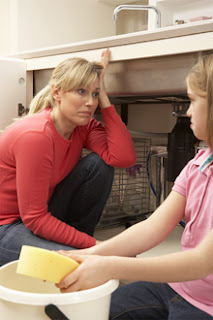
Resident Troubleshooting Steps
1. Plugged Toilet
Use a plunger to attempt to clear the clog, then flush once to test whether the toilet is draining properly.
2. Leaks: Plumbing or Fixtures
Turn off the affected fixture, shut off water at the supply line if accessible, and notify First Rent immediately through the Resident Center.
3. Smoke Detector Does Not Work When Tested
Confirm the smoke detector is being tested according to the manufacturer's instructions. Replace the battery if applicable, then test again.
4. Smoke Detector Beeps or Chirps
Replace the battery first. If the beeping continues, check that the smoke detector is properly seated and that any visible wiring connection appears secure.
5. No Power to Plugs or Switches
Check the electrical panel and reset any tripped breaker. Check and reset all GFCI outlets in the kitchen, bathrooms, laundry area, garage, and exterior areas if applicable.
Also confirm whether the outlet is controlled by a wall switch.
6. No Electricity
Check the electrical panel for any tripped breakers. Move each affected breaker fully to the OFF position, then firmly back to the ON position.
Check and reset all GFCI outlets in bathrooms, kitchens, the laundry area, the garage, and exterior areas if applicable.
If the home has fuses, replace any blown fuses.
If power is not restored after completing these steps, contact First Rent through the Resident Center.
7. Garbage Disposal Does Not Work
Turn the disposal on briefly and listen for a humming sound.
If there is no humming sound:
Press the reset button underneath the garbage disposal, then test the disposal again.
If there is a humming sound:
Turn off the disposal and unplug it from the wall outlet before attempting any further troubleshooting.
Use a garbage disposal wrench or Allen wrench in the center shaft underneath the disposal. Turn the wrench back and forth to help clear the jam.
Once the jam is cleared, remove any visible obstruction, restore power, and test the disposal.
If the disposal remains jammed or does not operate after these steps, submit a maintenance request through the Resident Center.
8. No Hot Water
Check the thermostat on the water heater and confirm it is set to an appropriate temperature and is not set to Vacation mode.
Check the electrical panel and reset any tripped breaker connected to the water heater.
If accessible, check and reset the button near the water heater thermostat.
If hot water is not restored after completing these steps, submit a maintenance request through the Resident Center.
9. Water Is Too Hot
Check the thermostat on the water heater and lower the temperature setting if needed.
Allow time for the water temperature to adjust before testing again.
10. Dishwasher Does Not Drain
Remove visible food, debris, or obstructions from the bottom of the dishwasher and around the drain area.
After clearing the drain area, run a short cycle to test whether the dishwasher drains properly.
11. Dishwasher Grinds or No Water Is Coming In
Turn the dishwasher off.
If there is no water in the bottom of the dishwasher, pour two large glasses of water into the bottom of the dishwasher, then restart the cycle.
If the grinding sound continues or water still does not enter the dishwasher, discontinue use and submit a maintenance request through the Resident Center.
12. Refrigerator Is Too Warm or Too Cold
Check the thermostat setting inside the refrigerator and adjust it to the appropriate temperature.
Allow time for the refrigerator temperature to stabilize before submitting a maintenance request.
13. Water Drips From Freezer Into Refrigerator Compartment
Remove food from the refrigerator and freezer and place it in a cooler or other appropriate storage.
Turn the refrigerator off and allow it to defrost thoroughly.
After the refrigerator has fully defrosted, turn it back on and return food once the appliance has reached a safe operating temperature.
14. No Air Conditioning
Check the electrical panel and reset any tripped breaker connected to the HVAC system.
Check the HVAC filter. If the filter is dirty or overdue for replacement, replace it before testing the system again.
After completing these steps, set the thermostat to cool and allow the system time to respond.
If air conditioning is not restored, submit a maintenance request through the Resident Center.
15. No Heat
Check the thermostat and confirm it is set to heat at the appropriate temperature.
Confirm that all furnace covers and access panels are properly secured.
If there is a furnace switch in or near the furnace area, confirm it is in the ON position.
Check the HVAC filter. If the filter is dirty or overdue for replacement, replace it before testing the system again.
Confirm that utility service is active and has not been disconnected, interrupted, or scheduled for shutoff.
If heat is not restored after completing these steps, submit a maintenance request through the Resident Center.

Resident Maintenance Policy & Troubleshooting Guide
Class I — Emergency Maintenance
An emergency maintenance issue is a condition that requires prompt attention because it may involve immediate risk to life, safety, habitability, significant property damage, or security of the premises.
Emergency maintenance examples may include:
- Active fire — call 911 immediately;
- Gas odor or suspected gas leak — contact the gas utility immediately;
- Flooding or uncontrolled water intrusion;
- Sewage backup affecting occupied living areas;
- Burst water pipes;
- Electrical sparking or burning odor;
- Tree impact causing structural damage;
- Inoperable exterior entry door compromising security;
- No heat during extreme weather conditions where habitability may be affected.
The typical emergency response goal is approximately 5–8 hours. Actual response times may vary based on vendor availability, weather conditions, access, holidays, severity, utility involvement, required parts, and circumstances outside management's control.
Response times are estimates and are not guaranteed.
Issues Generally Handled as Non-Emergency Maintenance
The following items are generally handled as non-emergency maintenance requests:
- Refrigerator malfunction;
- Oven or range malfunction;
- Dishwasher malfunction;
- Garage door issues;
- Lockouts;
- Utility outages affecting the surrounding neighborhood;
- Appliance failures without active property damage.
These matters may be inconvenient and should still be reported through the Resident Center. However, they do not typically require immediate after-hours emergency dispatch unless additional facts indicate a safety, habitability, security, or active property damage concern.
Residents are encouraged to maintain renter's insurance for personal property loss, temporary housing, food spoilage, water damage, sewer backup, and other unforeseen losses.
Class II — Urgent Maintenance
Urgent maintenance issues are conditions that should be addressed in a timely manner to help prevent additional damage, safety concerns, or significant disruption to normal use of the property.
Examples may include:
- Broken windows;
- Plumbing leaks;
- Loose handrails;
- Wobbly decks or stairs;
- Partial electrical failures;
- Minor roof leaks.
The typical urgent maintenance response goal is approximately 2–4 business days. Actual response times may vary based on vendor scheduling, parts availability, property access, seasonal demand, weather conditions, and the specific circumstances of the repair.
Class III — Routine Maintenance
Routine maintenance includes non-urgent repairs that do not materially affect habitability, immediate safety, or active property protection.
Examples may include:
- Appliance repair;
- Garage repairs;
- Dripping faucets;
- Running toilets;
- Minor cosmetic issues.
The typical routine maintenance response goal is approximately 4–8 business days. Actual response times may vary based on vendor scheduling, parts availability, property access, seasonal demand, and the specific circumstances of the repair.
Class IV — Non-Essential or Cosmetic Items
Some maintenance items are cosmetic, discretionary, seasonal, or owner-elective and may not require immediate repair.
Examples may include:
- Fence repairs;
- Gutter cleaning;
- Torn screens;
- Missing door stops;
- Broken blinds or shades;
- Cosmetic lattice issues;
- Pressure washing;
- Minor landscaping concerns.
These items are typically reviewed based on property condition, owner approval, timing, vendor availability, and whether the item affects safety, habitability, or active property protection.
The typical response goal for approved non-essential or cosmetic items is approximately 30 days. Actual timing may vary based on owner approval, vendor availability, weather conditions, seasonal demand, and the specific circumstances of the request.
Class V — Non-Habitability Items
Non-habitability items are conditions that generally do not affect the safe, sanitary, or functional use of the property.
Examples may include:
- Window screens;
- Broken lattice;
- Pressure washing;
- Broken window shades;
- Small broken tree limbs;
- Missing door stops;
- Interior doorknobs that do not affect security;
- Light bulbs, including stove, chandelier, refrigerator, and specialty bulbs;
- Fireplace gas keys.
These items may be noted during the next property visit, reviewed at lease renewal, or considered as part of future owner-approved maintenance.
Repairs for non-habitability items may be deferred, declined, or handled based on owner approval, lease responsibility, property condition, vendor availability, and whether the item affects safety, habitability, security, or active property protection.
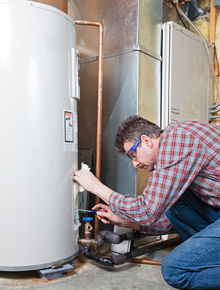
Maintenance Request Submission and Scheduling
All non-emergency maintenance requests should be submitted through the Resident Center so the request can be properly documented, reviewed, assigned, and tracked.
After a maintenance request is submitted, First Rent will send a confirmation email with the assigned vendor's contact information when a vendor has been assigned.
Vendors typically contact residents within 48 hours to schedule an appointment. Emergency requests may be handled sooner based on the nature of the issue, vendor availability, and access to the property.
Residents should coordinate directly with the assigned vendor for scheduling once vendor contact information has been provided.
Homes covered by a builder's warranty or home warranty plan may require additional processing time. Warranty vendors are scheduled through the warranty provider and may not be directly controlled by First Rent or the property owner.
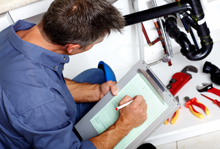
Tenant-Responsible Repairs and Charges
Residents are responsible for using the property, fixtures, appliances, plumbing, HVAC systems, and other equipment in a reasonable manner and in accordance with the lease agreement.
Residents may be responsible for vendor invoices, trip charges, diagnostic fees, repair costs, or related charges when the issue is caused by or related to:
- Misuse, negligence, abuse, or improper maintenance;
- Resident-responsible items under the lease agreement;
- Incomplete troubleshooting before requesting service;
- Improper use of garbage disposals, toilets, drains, appliances, or HVAC systems;
- Missed, canceled, restricted, or unsafe vendor access;
- Inaccurate or incomplete maintenance information.
Additional administrative fees may apply where permitted by law and the lease agreement.
HVAC Filter Responsibility
Residents are responsible for regularly replacing HVAC filters in accordance with lease requirements and manufacturer recommendations.
Dirty or restricted filters may cause:
- Reduced airflow;
- Frozen evaporator coils;
- Water leaks;
- System overheating;
- HVAC equipment failure.
Damage or service calls related to dirty, missing, incorrectly installed, or overdue filters may be resident responsibility where permitted by the lease and applicable law.
Plumbing and Disposal Use Guidelines
Toilets are intended for human waste and toilet paper only. Items such as “flushable” wipes, paper towels, feminine hygiene products, diapers, cotton products, grease, food waste, and foreign objects may cause plumbing backups.
Garbage disposals are intended only for small food particles. Grease, bones, fibrous vegetables, coffee grounds, pasta, rice, eggshells, and non-food items may damage the disposal or plumbing system.
Service calls, repairs, or plumbing backups caused by improper use may be resident responsibility where permitted by the lease and applicable law.
Information Needed for Accurate Service
To help First Rent review, assign, and coordinate maintenance requests efficiently, residents should include:
- A clear description of the issue;
- The exact room or location;
- Photos or videos when helpful;
- Steps already taken to troubleshoot the issue;
- Gate code, alarm code, parking instructions, or access details if applicable;
- Appliance make, model, and serial number for appliance-related requests.
How to Submit Maintenance Requests
All non-emergency maintenance requests should be submitted through the Resident Center so the request can be properly documented, reviewed, assigned, and tracked.
Requests submitted by text message, voicemail, social media, or verbal conversation may not allow First Rent to properly document, assign, or track the issue.
To help ensure accurate review and timely coordination, residents should include:
- A detailed description of the issue;
- The exact room or location;
- Photos and videos when applicable;
- Whether the issue is intermittent or constant;
- Appliance make, model, and serial number when available;
- Gate codes, parking instructions, or alarm details if applicable;
- Pet information and access instructions.
- Requests with incomplete information may require follow-up before a vendor can be assigned.
Resident Responsibilities Before Dispatch
Residents are expected to complete reasonable basic troubleshooting before requesting vendor service. These steps help identify the issue, reduce unnecessary service visits, and support faster repair coordination.
Residents should also take reasonable steps to help prevent additional property damage after discovering a maintenance issue, including:
- Shutting off water fixtures when leaks occur;
- Containing active water intrusion where possible;
- Turning off malfunctioning appliances;
- Reporting emergencies promptly;
- Following reasonable vendor and management instructions.
Damage that could have been reasonably prevented or reduced may be resident responsibility where permitted by the lease and applicable law.
Vendor Access and Entry Authorization
By submitting a maintenance request, residents authorize First Rent, the property owner, and assigned vendors to access the premises during reasonable hours as permitted by the lease agreement and applicable law.
Residents are responsible for securing pets, providing access instructions, and ensuring the property can be safely accessed for approved maintenance.
If access is missed, restricted, denied, or unsafe, the repair may need to be rescheduled. Related trip charges, rescheduling fees, vendor invoices, delays, or lease enforcement action may apply where permitted by the lease and applicable law.